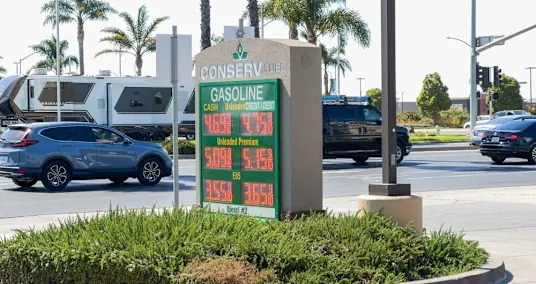
Global petrol prices have climbed sharply following disruptions to oil supply linked to the Iran war, prompting governments to act selectively to control costs.
Retailers worldwide are now navigating higher fuel prices alongside shifting consumer behaviour and rising supply chain costs.
Prices at the pump have increased significantly in many major markets since the conflict escalated. Diesel has surged even faster in some regions, adding further pressure on delivery and logistics costs.
Governments are attempting to ease these pressures without creating long-term fiscal problems.
Targeted tax cuts and subsidies
Fuel tax reductions remain the most common measure to reduce petrol costs. Several governments have lowered fuel duties or levies to support households and businesses.
In the UK, the existing fuel duty cut is under review. Officials have warned it is “too soon” to measure the economic impact of the conflict. This reflects caution over inflation and public spending.
Other countries, such as France, are offering targeted subsidies to specific sectors like transport and agriculture, rather than applying broad price cuts. For retailers, this creates uneven pricing environments and short-term fluctuations in fuel demand at forecourts.
Demand reduction policies shift retail patterns
Unlike previous crises, governments are now focusing on lowering fuel consumption as well as controlling prices.
Measures include promoting remote work, encouraging public transport use, and in some areas, introducing shorter work weeks. Severe cases have seen fuel rationing return.
These policies affect retail footfall. Reduced commuting lowers visits to petrol stations and convenience stores. Delivery schedules and product availability can also be disrupted, particularly for grocery and fast-moving consumer goods sectors.
Retailers are adjusting to changes in customer behaviour driven by higher fuel costs and government guidance.
Rising fuel costs pressure supply chains
Higher petrol and diesel prices are increasing operating costs across retail supply chains. Transport and logistics costs are rising, pushing up wholesale prices and, in turn, retail shelf prices.
Governments are monitoring fuel retailers to prevent excessive markups. In some markets, price transparency tools have been introduced to allow consumers to compare prices more easily, which increases competition among forecourts.
For international retailers, these trends signal continued volatility. While targeted government action may ease the impact in the short term, underlying global oil market instability continues to create uncertainty for pricing, logistics, and customer demand.
latest_posts
- 1
 2024 Watch Gathering: The Best Watches of the Year
 - 2Survey: Protected And Versatile Men's Razor
- 3Choosing Moving Styles for Your Restroom Redesign
- 4Check out the exclusive pitch deck Valerie Health used to raise $30 million from Redpoint Ventures to automate healthcare faxes
- 5ByHeart infant formula recall tied to botulism outbreak puts parents on edge


- Exhaustive Experiences into Prudent Senior Living in the UK
- Air India chief resigns 10 months after devastating Ahmedabad crash and amid mounting financial troubles
- 6 Financial plan 3D Printers with the Best Worth
- Industrial zone damaged in Negev, falls in Sharon area after Iran fires missiles towards Israel
- Hundreds rally in West Bank against Israeli death penalty for Palestinians
- Figure out How to Keep up with and Clean Your Brilliant Bed for Ideal Execution
- You finally got a doctor's appointment. Here's how to get the most out of it
- Over 1,800 killed since junta seized power in Burkina Faso, rights group says
- Apartment Turned Into Nightmare 'Ice Castle' After Tenant Shut Off Heat Causing Pipes to Burst: VIDEO