A massive dust storm, or haboob, swept across the Sahara Desert from western Algeria into Mauritania, Morocco, Western Sahara and the Canary Islands on March 30. The dust stretched for more than 1,000 miles.
As meteorologists observed the dust storm from space via weather satellites, social media users captured the incoming dust storm on camera. One video shows a thick wall of dust and sand moving toward a resident of the town of Tindouf, near the Mauritanian, Western Saharan and Moroccan borders.
How does the dust affect tropical storms in the Atlantic?
While this storm didn't make it too far off the coast, significant amounts of dust can drift westward from Africa across the Atlantic beginning in May. This can inhibit tropical storm formation, or the strengthening of an existing system, because the dusty air has about 50% less moisture than the typical tropical atmosphere.
Strong winds in the dust layer can also substantially increase the vertical wind shear in and around the storm environment, potentially disrupting any storm that forms.
latest_posts
- 1
 RFK Jr. says he's following 'gold standard' science. Here's what to know
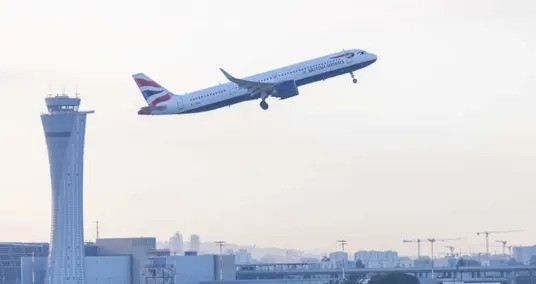
 - 2Israel issues notice that Ben-Gurion Airport flights likely restricted until at least April 16
- 3Experience Arranging: Planning for Epic Excursions
- 4She just became the first wheelchair user to travel to space
- 5The Drone Video of the Year is stunning – you've not seen Namibia like this



- Mars orbiter sees 'butterfly' crater spread its wings on the Red Planet
- From Squid Game to Your Party! Six Entertaining Test Games That Will Have You in Join
- I took my shoes off and went for a barefoot hike. I couldn’t believe what happened next
- From Amateur to Master: My Involvement in Photography
- Web designers for Independent ventures
- Figure out How to Advance Space in Your Pre-assembled Home for Upgraded Usefulness
- Your guide to how to safely thaw and cook your Thanksgiving turkey this year, according to experts
- Vote in favor of Your #1 sort of pie
- Ethiopian earthquakes and volcanic eruptions: earth scientist explains the link


